 4 stars
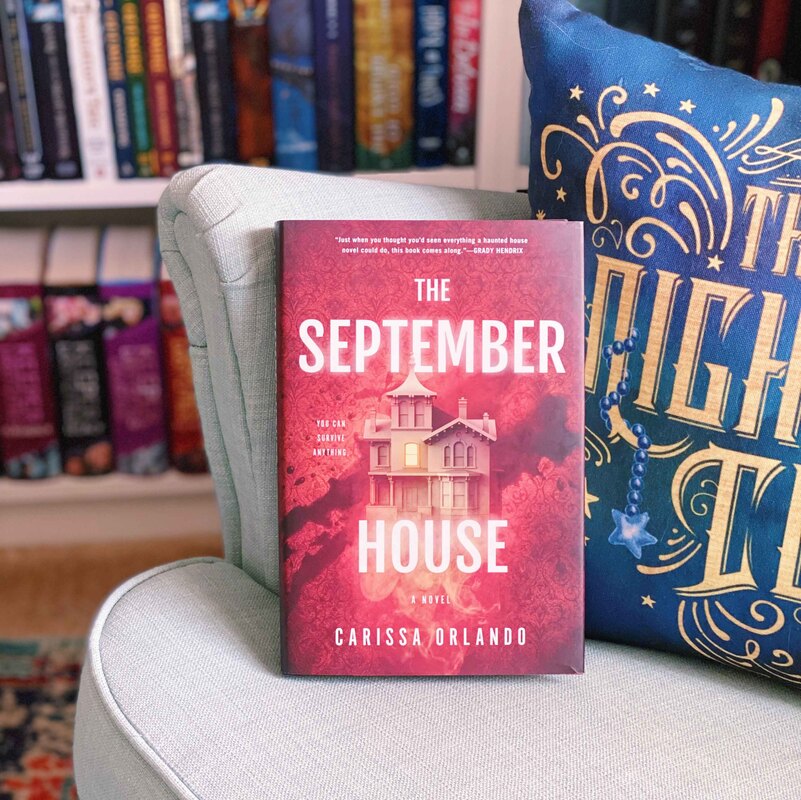
Very interesting read. One of those "it's an underlying message" tales that usually drives me nuts—but this one? It worked. And it worked WELL, and it managed to keep the enjoyment factor at the same time. Concept: ★★★★★ Pacing: ★★★ Characters: ★★★★ Humor: ★★★★ I totally can see why The September House made it on to so many of my mutuals' lists... and after reading it, I now understand the really polarizing reactions to this read. Ranging from lukewarm "whatever, it was fine" to oh-my-god-this-was-so-freaking-cool to "what are people on about, this was dull and preachy"—yeah, it seems like this story incites a reaction. I had no idea where I'd fall, and the blurb from Grady Hendrix saying "just when you thought you'd seen everything there was to see about the haunted house story, there's this surprise" practically made me do it for that alone. As someone who loves haunted house stories, what do you MEAN this was something...new? I love new. So with my curiosity piqued, I dove in. When Margaret and her husband Hal bought the large Victorian house on Hawthorn Street—for sale at a surprisingly reasonable price—they couldn’t believe they finally had a home of their own. Then they discovered the hauntings that happen every September. Most people would flee. Margaret is NOT most people. The blurb sets us right off: there's a house, it's a nightmare to live in each September, and most owners don't make it to the next autumn before they flee into the night. But then, there's Margaret. Margaret has nerves of steel and an unwavering will to resolve all solutions through adaptability and compromise. She's had a lifetime of experience navigating challenges and she knows the truth: as long as one follows the Rules, any problem can be navigated. So Margaret deals with the walls dripping blood. The screaming and moaning. The dead children all pointing to the basement door saying "he's down there." She doesn't mind the housekeeper with the axed forehead who serves her tea. And she's even cool with the screaming demon boy with the biting habit. All things, after all, can be managed if done properly. But when Margaret's husband, Hal, runs off into the night and disappears... Margaret runs into problems. Her daughter, Katherine, wants answers. Where is Hal? Why did he leave? Why does Margaret want her to stay away? Margaret doesn't want to tell Katherine about the hauntings. Especially not in September. Katherine—like father, like daughter—doesn't listen. She arrives, and she's here for answers. In September. Margaret's going to have quite a time. (And she does.) This was a really, really cool horror novel. I think this is the kind of story I was expecting out of Sarah Gailey's Just Like Home, which disappointed me more than expected a few years ago. The September House has some layered family secrets and traumas that are boldly, and yet subtly, conveyed in this story. Margaret as a main character was such a clever choice. Her wry humor, her acceptance of all truths (no matter how dark), and her resolute will to continue on at all costs was so...singular. And I loved unpacking all of that over the course of the novel.
0 Comments
 4.5 stars
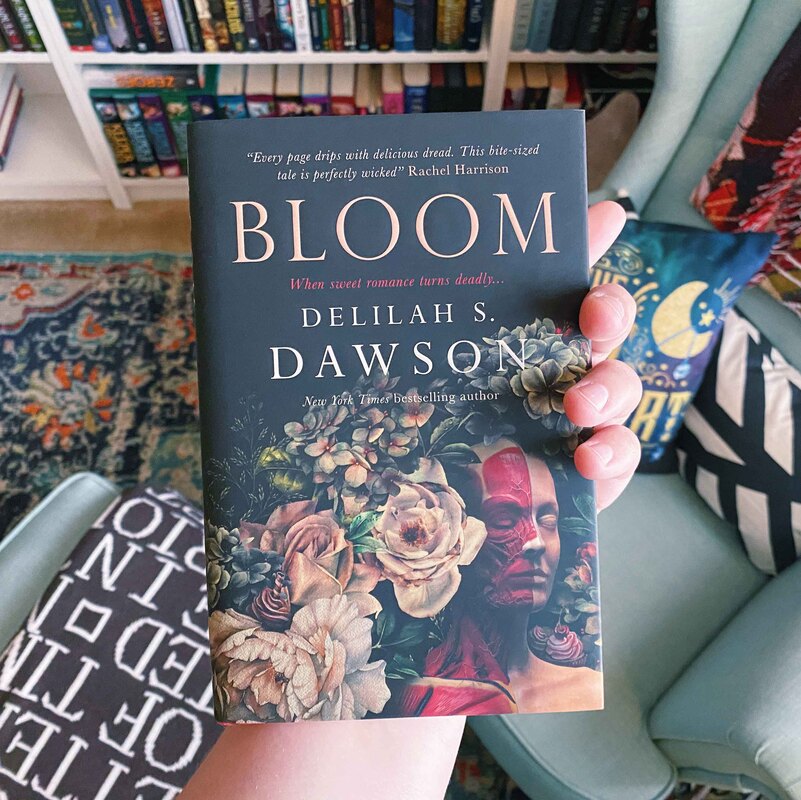
Well then. I haven’t felt that level of creeping, utter dread in quite some time—and certainly not while bathed in the surface level story of a sunshine cottage core sapphic love story. This story isn’t about the shock of a reveal. It’s about the never-ending ceaseless anxiety of the trap closing softly around you. Too gentle to identify as a danger. Too inexorable to escape. I'm not even going to describe this story, because I think it works best when you can experience the inescapable dread in real time. Stunning novella. Polarizing if you think the “reveal” is meant to be the draw of the tale. Recommended highly to my other short/weird/queer horror fans. 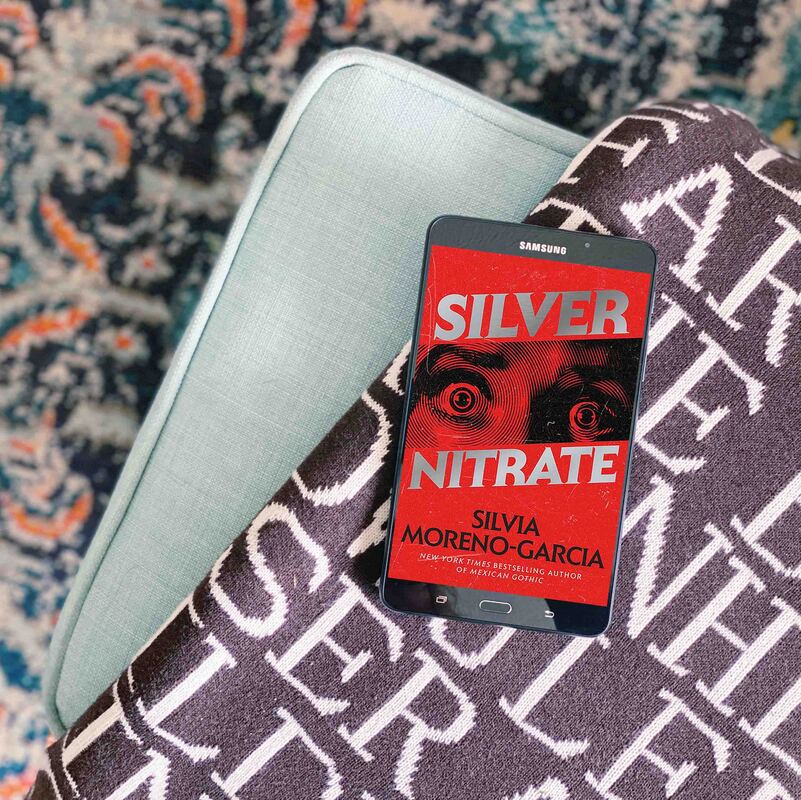 3.5 stars
A haunted film reel, a dark occultist history, and two friends caught in the crossfire. The latest from Silvia Moreno-Garcia explores the world of filmmakers and blood magic. Silver Nitrate follows the story of Montserrat, a sharp-edged loner who works as a sound editor for an ailing independent movie editing house in Mexico City. It's the 1990s, women in film are even more rare than they are in the present day, and Montserrat's acerbic personality doesn't win her any favors in the buddy-buddy man's world of the studio. (All of Silvia Moreno-Garcia's main female characters are prickly in their own kind of way, and I love that as it's still rare in genre fiction today.) Montserrat does have one person in her relatively lonely life, however: her hot-mess friend, Tristán. Tristán is a self-absorbed former has-been soap opera actor whose good looks and charm are cracking at the edges as he eeks a life out as a voice dubber. His career imploded in a spectacularly tragic way 10 years earlier and he's been doing his best ever since. Tristán and Montserrat make an odd pair, but they are each other's oldest friend and their bond has outlasted individual relationships and family—they're it for each other. So the last thing these two struggling friends need is a drama. (Naturally, they get a drama.) Tristán's elderly neighbor in his apartment complex is a retired film director with a backlist of cult-classic horror flicks. And he had one horror movie that was never finished and doesn't exist... except for one single canister of silver nitrate film in his freezer. The silver nitrate itself is dangerous and possibly an explosive in the right conditions—and when the former director explains what is ON the film, the contents themselves prove dangerous too. Montserrat and Tristán find themselves embroiled in a decades-old blood magic plot involving a dangerous occultist, Nazi histories, and deadly bonds. They'll have to band together in order to make it to the other side... Silver Nitrate is a film that was both very dear to my heart and also a personal struggle to read. Let me explain. Moreno-Garcia's unique edge is that she's always trying new genres, new concepts, new ideas. As a reader of multiple genres, I love this about her. For this particular novel, she chose a topic very close to my heart: film. I went to school for film, both practical production and classical film studies. So I surprisingly found myself an existing expert in the subject matter of this novel. Which was my problem? Silver Nitrate turned out to be a little too big on the info-dump portion of the film industry/film studies elements and lacking in the actual action/interest plot. I already knew a lot of the context they were covering as exposition throughout this entire story... so I found it quite boring to listen to near-endless conversations about it. That combination of already knowing the film side of the conversation + a lack of engagement in the very "talking first, action not preferred" style to the story made it a more difficult one for me to love. However, those negative soundbites aside, I did find the creeping horror of racism + the buildup of the occult reveals to be stellar in their payoffs. Which I was expecting, as Moreno-Garcia nails that kind of thing. Eagerly looking forward to her next novel! And don't sleep on this one if you're new to classic films and cult topics—what was a negative for me is likely a huge positive for new readers. Thank you to NetGalley and Libro.fm for my copies in exchange for an honest review. 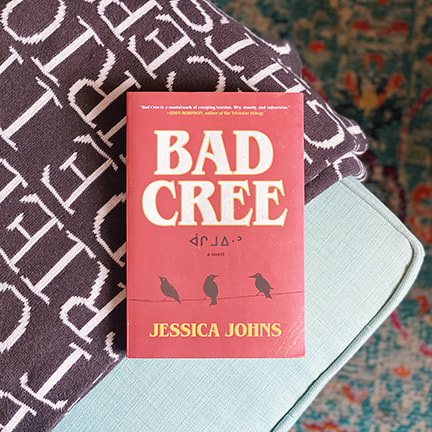 5 stars
I loved everything about this debut. Generational bonds between the women in one family line tied into one horror-tinged speculative debut with Cree Canadian roots. Bad Cree snuck up on me. I saw the cover a few times in the store and it caught my eye. But I kept passing it by, until eventually I heard someone mention that it was a story about sisters and horror-based dreaming. Those two hooks grabbed me and i knew I needed to read this story. Mackenzie keeps waking up from the same dream. This in itself isn't that odd—but the fact that she wakes up with pieces of that dream in her hand, in the real world, is odd. From twigs to the decapitated head of a crow, Mackenzie knows that a) this isn't normal and b) things are getting worse. And she's getting scared. Her Cree family, with its deep roots to the Alberta land, are far away from Mackenzie's sad apartment in Vancouver. And Mackenzie realizes that maybe its time to face the sadness and secrets awaiting her in her hometown... Combining family secrets, Cree stories, and a persistent thread of endurance and love throughout, Bad Cree was a perfect read for me. I loved Mackenzie's journey. I was here for her pain, her grief, and her family's close bonds yet tangled relationships. Having such a strong novel about sisterhood tied to a speculative horror novel was a huge win for me. Bad Cree's accessible writing and creeping sense of atmospheric dread catapulted this immediately into a new favorite read. Come for the intrigue of the "real" dreams, stay for the tension and family story. This isn't a slasher horror, or even a big bang reveal—it's a small story with deep roots. 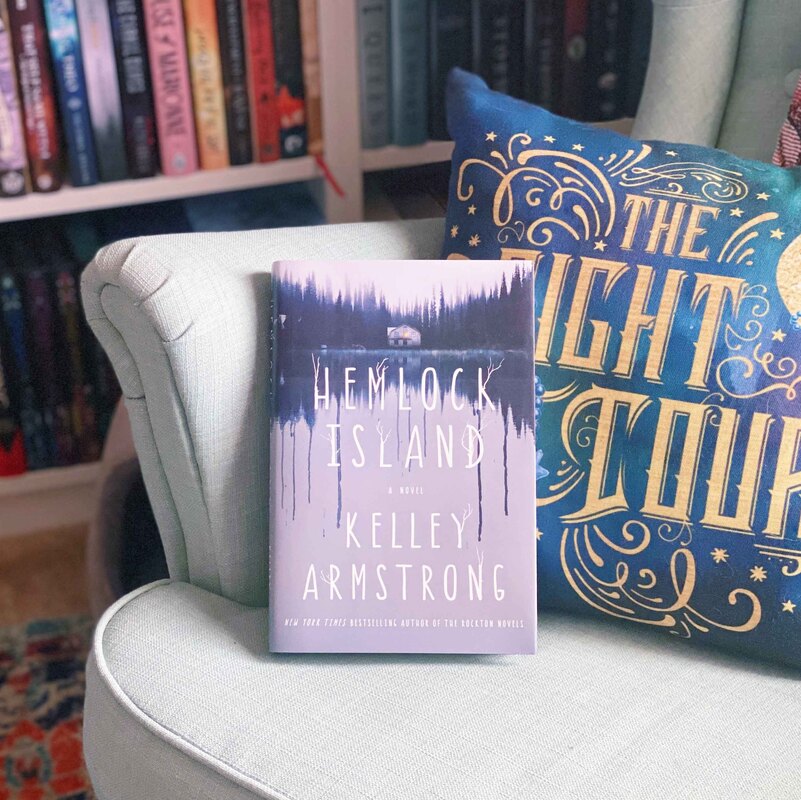 4 stars
This novel about an atmospheric, creepy island and the haunting revelations of buried angst and secrets ending in a gory finale isn't for everyone—but wow, this hit the spot for me! Atmosphere: ★★★★ Angst/Drama: ★★★★★ Horror elements: ★★★★ Plot: ★★ 1/2 Laney is a divorced teacher with a dead sister, a rich ex-husband, and a niece now under her care. Her ex-husband gifted her their rich island property in the middle of Lake Superior, and while Laney loves it to pieces, she doesn't have the money to pay for it alone—so she rents it out as an exclusive rental property for vacationers. She hates every moment of it, but there's no other choice. So when Laney receives a call from a renter that blood and scratches have been found in a closet, and pentagrams are all over the property, she's pissed. Someone's throwing a mean prank and now she's got to fix it before the property loses more revenue. Armed with her niece, Madison, and sheer will, Laney heads to the island. However, when she gets to the shore prior to heading over to Hemlock Island, Laney discovers quite the scene: her ex-husband, his sister and Laney's ex-best friend, and two other people from Laney's past that she'd much rather forget. With spooky shenanigans and sinister consequences awaiting them, the last thing Laney needs is this tangle of interpersonal drama. But it's too late, and now this motley crew finds themselves trapped on an island—and what they're about to find will change them forever. I would categorize this novel as one of those hybrid, in-between concepts. Not quite horror enough, not quite thriller enough, not quite interpersonal drama enough. And for the detail-oriented lovers, I can see the disappoint rearing its head from the very first few chapters. This is a novel based in action, dialogue, and tension. All taking place on a truly gripping island setting in Lake Superior on the Great Lakes. (Which is in my neck of the woods as a Michigan girl, so let's be real, this was a huge sell for me.) For me, a reader who loves drama, action, and clean prose focused on goals in her mystery/thrillers, Hemlock Island was a win. I loved the tension, the secrets bubbling to the surface, the surprises blatantly hidden and revealed at the proper times. This isn't a shocking whodunit, or whydunit, or even meant to be truly surprising/shocking—instead, I found the wins in Hemlock Island to be the sheer enjoyment of the unfolding story and the ruthless practicality of the characters faced with a horrifying scenario. Come for the creepy island. Stay for the creepy island + the politics of this twisted tangle of friends and lovers and enemies. 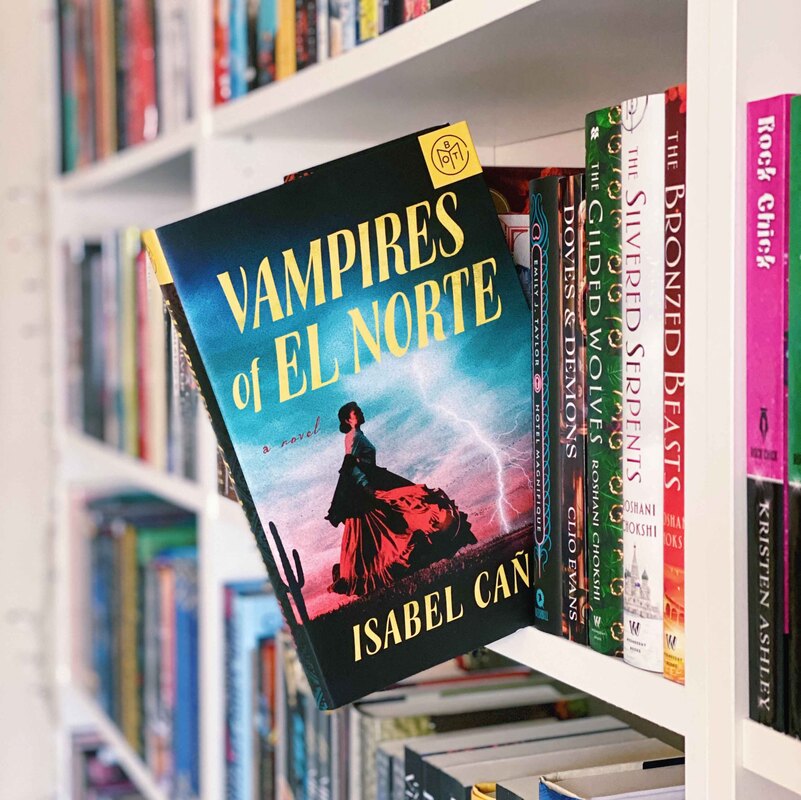 3 stars
Did I read a different book than everyone else? Those stellar reviews are making me feel like I missed the hype boat on something… This was fine, but I couldn’t see past some reader-specific flops for me. Concept: ★★★★ Plot/Pacing: ★★★ Character setup: ★ Enjoyment: ★★★ A historical Western horror novel set on the United States/Mexico border in the 1800s, Vampires of El Norte is the kind of story that jumps out at you on the shelves. A Western-style ranch novel... with vampires? A historical fiction Western novel that...doesn't center itself on the white experience? Both of these things were huge radar pings for me, and I knew I needed to try this story. Nena is the daughter of a wealthy Mexican rancher, living the restricted life of a wealthy daughter during this time period. Her only source of excitement is her childhood best friend, Nestor, who is part of the ranch's live-in hired ranch help. But one tragic night involving an unknown beast in the dark alters the course of Nena and Nestor's lives forever, and Nestor flees in the middle of the night thinking the worst. When the two of them reconnect nine years later, Nena and Nestor are different people with different motivations. But their connection remains strong—for better or for worse—and they discover that they must put their personal issues aside to face a great threat from the Anglos encroaching on their land from the east. Because their homeland and lifestyle is coming to an end if they can't stem this tide of white encroachment. And there's something moving in the dark... Alright. So for the sake of avoiding plot spoilers, I will keep my personal reaction portion of the review relatively brief. There were several things about Vampires of El Norte that I enjoyed—the atmospheric setting, the twist on the traditional Western novel experience, and the infusion of Mexican heritage and culture to the vampire canon. However, there were a few quirks to this novel that, I'll be honest, really bothered me due to my personal reading tastes. THEY ARE LIGHT SPOILERS FOR THE BEGINNING OF THE NOVEL, SO STOP HERE if you don't want even the most mild of spoilers. Gone? Ok, so my largest issue that permeated throughout the entire reading experience was the inciting incident between Nena and Nestor. When Nena is brutally attacked as a child, Nestor thinks she's died. He literally flees into the night—worried that Nena's wealthy parents will seek retribution against him, which is valid—and he never returns. Nestor is gone for NINE YEARS. He does not confirm Nena's death, he does not talk to his family or grandmother for nine full years as they are still on Nena's ranch. He literally goes no contact and punishes himself for all of that time thinking his childhood best friend is dead. Then, when he has to return to the ranch, he discovers that Nena is very much alive. (He never bothered to even write a letter to his Abuela to check??) And while Nena acts normal in response—she's pissed, he left and never bothered to come back/verify—the rest of the family, including Nestor's own Abuela, just takes this in stride?? I'm sorry, the logic isn't logic-ing. I know I should have been able to put that aside and enjoy the rest of the novel for what it was, but I'll be honest. I wasn't able to get over it as it was the foundation of Nena and Nestor's adult relationship and the rest of the plot never eclipsed their relationship enough to allow me to forget. This was a highly romantic story and very character driven, so we were always focused on Nena and Nestor as a duo, and therefore I was constantly looking at this "rift" between them and just wishing we had a real problem instead. But that being said, obviously I'm just one reader! And given the excitement and enjoyment that a lot of other people got out of this novel, I'm guessing that my weird logic gap was a unique experience and not the norm. So I do recommend this for my historical fiction friends who want an extremely light dash of horror. 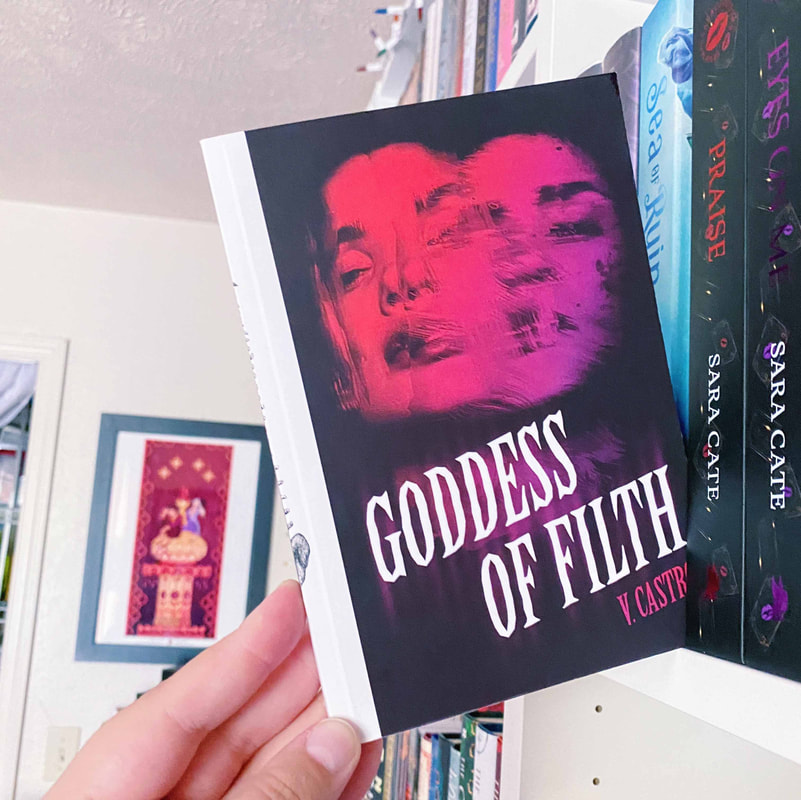 4 stars
Stripped to the essentials, crystalized characters and electric plot. What a novella. Pacing: ★★★★ Sense of horror: ★★ Charisma: ★★★★★ Some stories just have that "it" factor, you know? Goddess of Filth is one of those. A group of young women get together one night. They host a seance of sorts, inviting the "old gods" to join them. One of them does, and it possesses one of the young women. She writhes on the ground, totally unknown, and from that night on another being walks within her skin, showing itself with its caiman eyes (crocodile relative) and its odd ways. And when the young women/demonic hybrid starts to showcase disturbing trends of femininity and agency mixed with revengeful actions against those with deepest sins... Yeah. Things are about to get interesting. Goddess of Filth was a very unique novella with a simple pitch: Girl gets possessed. But then, with its bare-bones writing style mixed with a blend of the macabre and the mundane, this novella shone. I found myself gripped, wanting to know what would happen and how it would go down. Super unique. Looking forward to exploring more from this author and more short horror from Creature Publishing. 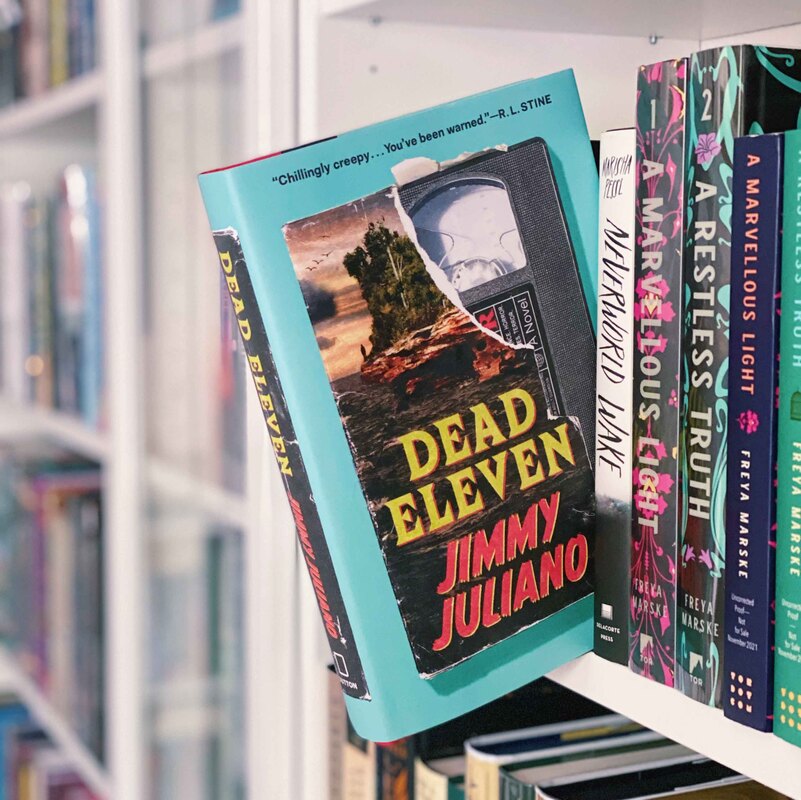 4 stars
Loved the concept, loved most of the execution—I think this debut slightly fumbled the landing. BUT that being said, the vibes and concept were enough to keep this a personal favorite. Concept: ★★★★★ Plot/Pacing: ★★★ Enjoyment: ★★★★ Imagine this: You visit an island. Something is off about it. The people are nice, albeit your standard rural area standoffish vibe. The island itself is a beautiful piece of land off the coast of Northern Wisconsin. But there's something about these people—their clothes are dated, their cars are all rust buckets, their music is 20 years out of date. And weirdest of all... you can't find anything more tech savvy than a Walkman and a boom box. You realize the town is acting like it's 1994. And when you catch some members of the town captivated by seemingly "live" coverage of OJ Simpson's car chase in California—and then you catch them watching it multiple nights in a row—you realize something is seriously, seriously weird here. Because the entire town KNOWS it's not actually 1994. But they're acting out the scenario anyway. And then you find out that people sometimes disappear. Welcome to Clifford Island. You might not make it off... Dead Eleven is a horror release that I found out about randomly on Goodreads one day, and IMMEDIATELY knew that I needed to have it. From that pitch you just read, can't you see why?? What a concept. Layered into that killer concept was a mixed-media, brother/sister, and past/present timeline angle that I found too good to resist. So I bought this and read it almost immediately. Ultimately, I think this debut did a few things perfectly: the vibes, the lingering/creeping dread, the pulse-pounding "I need to know what happened" element that keeps you reading late into the night. Where this book fumbled was in the ending. I think it wasn't bad, but it wasn't as spectacular as its first half implied it would be. But then... maybe it will for you. Let me know! Eagerly looking forward to more horror mixed media from this author. 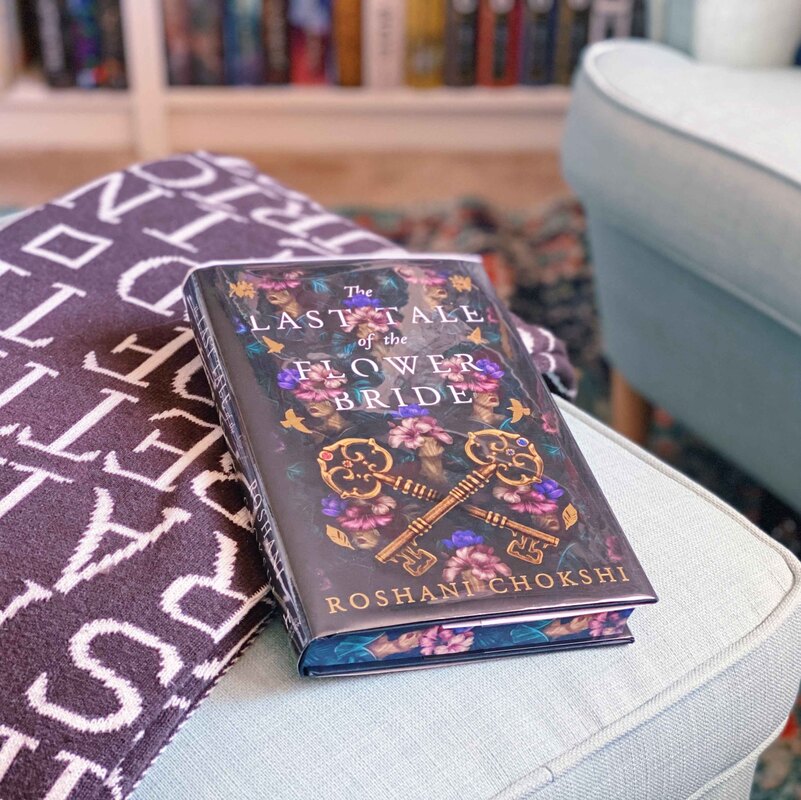 2.5 stars
I went to from super hyped about this concept last year...to a lukewarm reading experience....and then a few days later to the realization that—despite my love for Roshani Chokshi—I just did not like this at all. I think this has a certain readership, and I'm sad I'm not one of them. Concept: ★★★★ Sense of uniqueness: ★★ Investment into the characters: ★ Once upon a time, a man who believed in fairy tales married a beautiful, mysterious woman named Indigo Maxwell-Casteñada. He was a scholar of myths. She was heiress to a fortune. They exchanged gifts and stories and believed they would live happily ever after—and in exchange for her love, Indigo extracted a promise: that her bridegroom would never pry into her past. Indigo is the beautiful and enigmatic muse woman of everyone's dreams. She's too flawless, clearly a bit dangerous, and so beautiful that you can't look away. The Bridegroom certainly can't. He loves his wife more than life itself and is willing to follow her into the dark. One day, Indigo receives a message that her aunt is dying in her childhood home, the House of Dreams. Taking her bridegroom with her—this man is never named, so apologies for using "bridegroom" over and over again, it's a part of the dream-style repetition in this novel—they arrive at the surreal and darkly Other house. It's while we're exploring this elaborate house filled with the echoes of secrets that we meet our second POV: Azur. Azur's timeline is during Indigo's childhood, and she was Indigo's everything. A childhood spent surrounded by magic and twin ties and secrets and oaths, Azur and Indigo were two sides of the same coin. It was going to be Indigo and Azur, forever and ever. But there's no Azur here with Indigo and the bridegroom. As the bridegroom explores the House of Dreams, Azur's tale unfolds in the chapters in between. The House of Dreams has witnessed a lot of secrets, and it has some secrets of its own. Will the bridegroom be able to keep his promise? Or will he look back into the dark and find out the truth about Indigo's past? Alright. So I'm not going to dissect the plot or anything here. I think this is a story that is intentionally like a fable, and more importantly, intentionally like the echoes of a story arc that some of us readers have likely read before. It's also a story that cares more for its ominous atmosphere and sense of lyrical flow than its concrete plot. There's nothing wrong with any of that. But I will say that I wish this book had brought some more things to the table. For how drawn out it felt, for the amount of actual plot that happened in its pages, I needed more as a reader. I wanted something surprising, I wanted this very familiar arc to bring something fresh as a payoff for its very slow pacing. I needed to feel closer to these characters that felt, emotionally, like they were separated from me by layers and layers of glass. I just needed... more. So, if you're like me and the above items bother you, I'd skip this one. But if you like the concept and don't mind that kind of thing, I do still recommend this one. 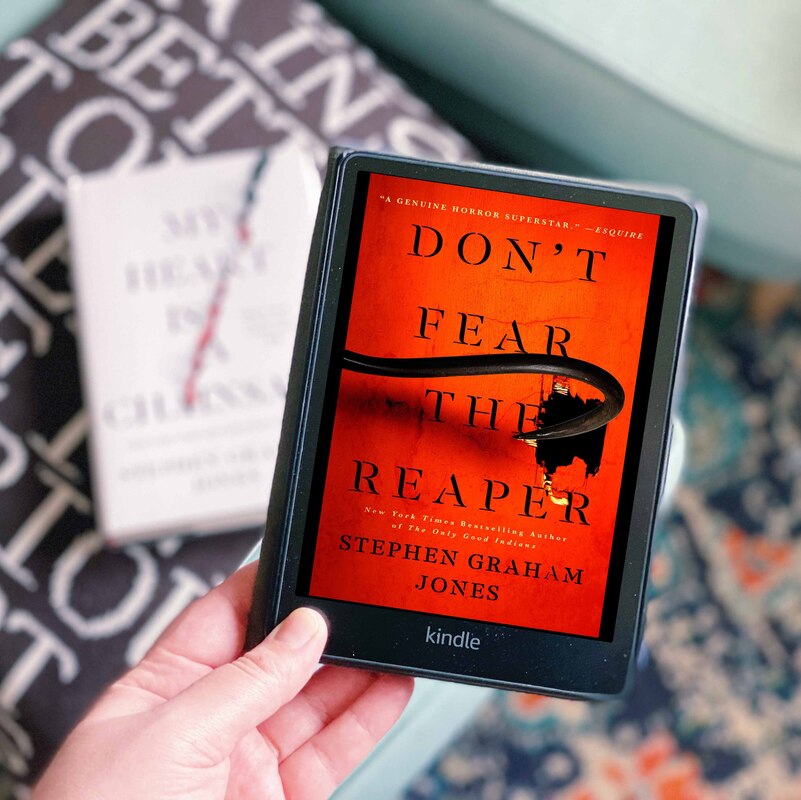 4 stars
This rating is a preliminary one. I think it deserves more from me, but I’m not there yet—I need to boil it down and reread the series later with more context. Two things are immediately true: 1) this book is not a one-time reading comprehension experience and 2) I continue to be in awe of Jones’ electric-tripwire, running-from-Death (or running to?) writing style that is unlike anything I’ve experienced as a reader. Concept: ★★★★ Horror elements: ★★★★★ Writing style: ★★★★★ Wait, so you thought Jade Daniels was done?? Welcome back to Proofrock. It's 2019. Jade is back to "Jennifer" and she's just stepped back onto Proofrock soil following the trauma, trials, and incarcerations as a result of the events of My Heart is a Chainsaw. She's ready for whatever could qualify as a "fresh" start for someone who's seen the shit that she's seen. Her days of final girls, horror movies, and niche survivalist trivia are behind her. (Didn't you pick up on that from the "Jennifer" nonsense?) But let's remember, this is Proofrock. It's like the town was waiting for its bloody princess to step back into the ring, because one Jade's back, things get dicey again. On one cold, blizzarding night in February, Proofrock welcomes a convicted serial killer into its midst. Indigenous murderer Dark Mill South escaped his heavily armed convoy a few miles outside of Proofrock under the helpful blanket of an avalanche and found his way into town. There's a lot of teenagers who somehow managed to escape the previous massacre. Dark Mill South might not know the town's bloody history, but he's unwittingly about to decimate the surviving playing field anyway. The players from My Heart is a Chainsaw are older and grudgingly wiser, and, in Letha's case in particular—armed with all of the slasher knowledge that she missed the first time around. Letha Mondragon, the previous final girl, isn't about to be caught unawares again. She's vigilant, she's alive despite the medical odds, and she's ready with every horror play in the book. On a dark, dark night... Dark Mill South’s Reunion Tour began on December 12th, 2019, a Thursday. Thirty-six hours and twenty bodies later, on Friday the 13th, it would be over. Soooooo let's talk about it. Don't Fear the Reaper is, arguably, my most interesting anticipated release for this year. I took My Heart is a Chainsaw as a singular standalone, a titan in the horror genre that stood alone and needed no further explanations, riffs, or sequels. But then this sequel appeared out of the madness of Jones' mind and I knew I needed it. Reaper was simultaneously exactly what I expected and yet also, wonderfully, different. Did I fully understand it? Debatable. Do I need to watch the entire canon of classic horror slasher movies in order to fully understand this latest installment? ...Honestly, probably. Don't Fear the Reaper is a honed blade for the slasher community. As a general horror fan with a particular interest in body horror and speculative horror, I was WAY out of my depth with this story. It was an almost alienating experience to witness this novel play out via referential dialogue, meta takes on the subniche, and high-level interplay between established slasher canon (and fanon?) all stitched within a narrative that, itself, was a reflected commentary on the events of My Heart is a Chainsaw. It was brutally intelligent. I just didn't have the right playbook. There were layers on layers here, folks. Forget Shrek's onion—I'm so sorry, horror fans, let me horrify you with that Shrek reference—this was the Meta Onion. I caught just enough of the referencing to make it through my reading experience, but I know I missed most of it. The dialogue, scene setups, tropes, character developments, and more were all linked to other elements of the genre. And if you didn't get the reference, you lost the momentum. I do think that affected my personal reading enjoyment. But unlike other novels where that lack of understanding repelled me and made me DNF, this version made me curious, and—for the first time in my life, yes, even Chainsaw didn't inspire me—made me want to dive into the world of slasher films. There's a lot to take away from Reaper. Similar to the interspersed essays within the narrative itself, I'd need a thesis to get into it. I didn't even have time to mention the subplots and subhorrors hiding behind the surface plot (let's just say, it is similar to Chainsaw in more ways than one.) But suffice to say, this sequel was spectacular, and worth several rereads and discussions. I look forward to Jones pulling it all together into one brilliant dissertation in the final book. Thank you to Gallery Books for my copy in exchange for an honest review. |
Amy Imogene ReadsJust someone looking for her own door into Wonderland. Categories
All

Archives
July 2024
|
 RSS Feed

|
Home
About Contact |
All reviews posted are my own and do not reflect the opinions of any other individual or entity. When applicable, reviewed titles sent to me by the publisher are noted at the bottom of each review.
|